🗓️
Sep 30, 2025
Preserving Residential College Applications
In late September, amid rising uncertainty around on-Grounds housing and residential colleges, I became directly involved in negotiations concerning the future of residential college application processes.
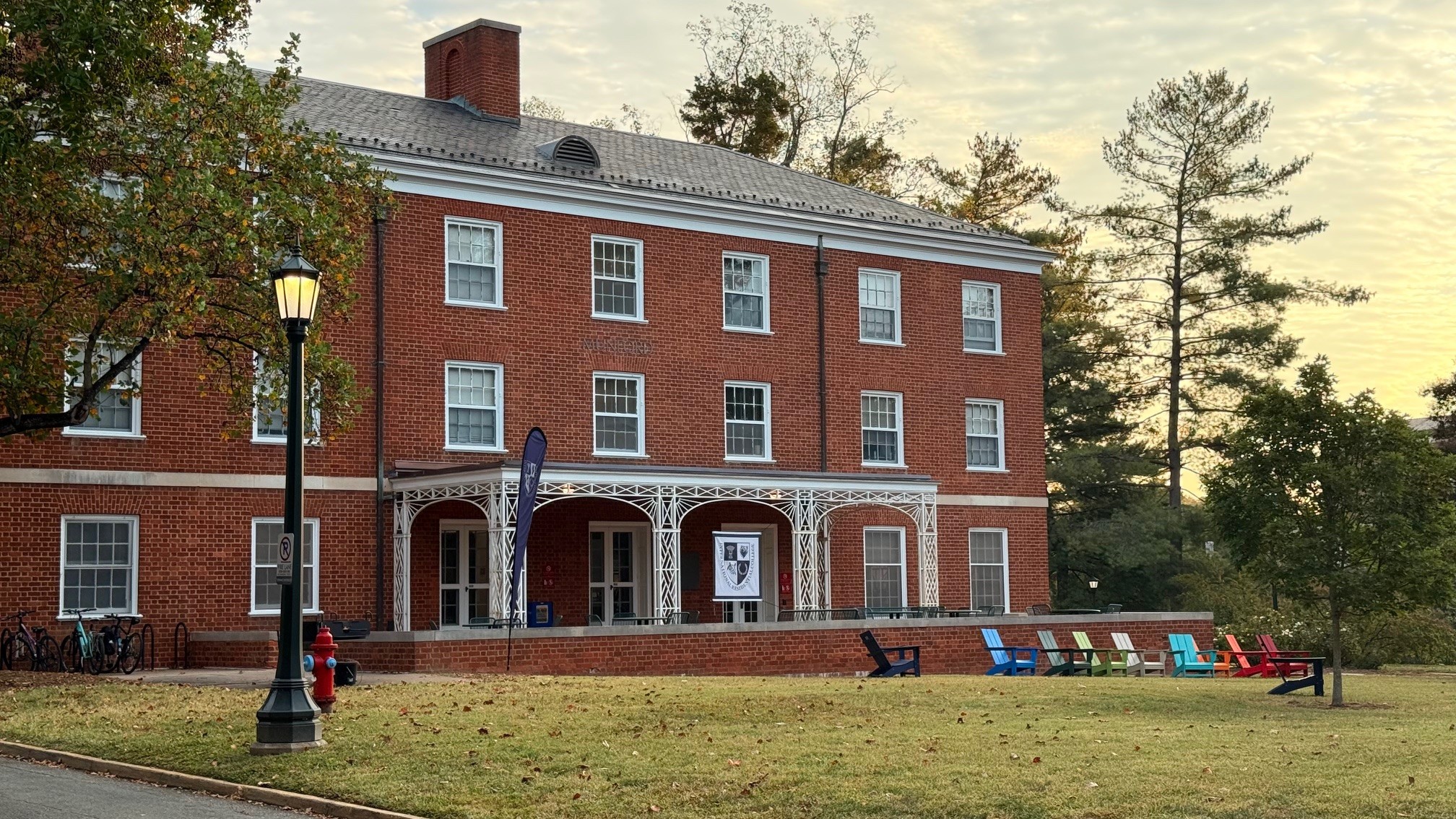
Tensions had already been boiling for months between the residential colleges and Housing & Residence Life (HRL). In early May of the previous academic year, they began questioning the value we provided to our residents and set out to interview our communities in a manner that wasn't very transparent.
Much of these actions from HRL were sparked by UVA’s The 2030 Strategic Plan which was approved by the Board of Visitors back in August of 2019. The comprehensive strategic plan lays out goals and initiatives through the year 2030, including those related to student housing and other campus priorities, notably the objective of housing all first- and second-years in on-grounds accommodations by the year 2030.
The issue here emerges when you analyze the bed stock of the University. At the time of this post and using publicly available numbers listed on HRL’s website, even if new proposals for approximately 1,300 beds at the end of JPA and along the Ivy Corridor are constructed, all upperclassmen and graduate students were forced off-grounds (including those living on the Lawn and Range), and all beds of the residential colleges reallocated to first- and second-year housing by 2030, the University would still be short in housing the approximate 8,800 students. But this hasn’t seemed to deter HRL from looking into the possibility of reallocating our beds anyway.
How exactly HRL would attempt to dismantle the Residential Colleges was still to be decided, and a move was finally made when a meeting was called with faculty and student leadership of each community to discuss the application process. The timing was critical. The meeting was called with only days’ notice, mere days before residential college applications were set to open for the upcoming academic year. What was presented as a procedural conversation thus immediately carried high stakes: any changes would need to be implemented almost instantly, or the application process risked being eliminated altogether.
In a series of meetings, I participated in one between the IRC, the Office of Student Affairs, and HRL on September 25, as had the other residential colleges in prior days. That meeting concluded with a temporary compromise. Residential colleges would be permitted to continue using applications, but only if they complied with newly imposed requirements and featured application questions that aligned with a more standardized and narrowly defined set of criteria. Equally significant was the change that current residents would be required to reapply in order to remain in their residential colleges, a move that was virtually unheard of and one that directly threatened continuity within these communities.
In the days immediately following the meeting, there was little room for delay. With applications scheduled to open imminently, I spent a single weekend redrafting the IRC’s entire application process to comply with the new requirements. Every question and section was revised under significant time pressure, with the aim of preserving an application-based system while also adapting it to the new constraints that had been imposed.
Under those requirements, current residents were expected to reapply in order to remain in their residential colleges. This introduced a fundamental shift in how continuity within these communities would be treated. Applications in residential colleges are not simply an admissions mechanism, but a structure that supports long-term investment, shared responsibility, and stewardship across class years. Asking committed residents to reapply risked flattening that continuity and reframing community membership as provisional rather than cumulative.
The revised application was therefore shaped deliberately to support existing residents while meeting the required criteria. Preserving the application process, even in a constrained form, was essential not for exclusivity, but for maintaining the organizational structure that allows residential colleges to function as communities rather than as interchangeable housing assignments.